

Discover the best event management software for small businesses in 2025. Find top picks that streamline planning and enhance your events.
Choosing the Right Event Format: Types of Events for Success in 2025

The events industry is no stranger to change. Over the last decade, we’ve seen a dramatic evolution in how events are hosted, moving from in-person gatherings to a virtual boom during the pandemic, and now settling into a blend of possibilities. Whether a planner’s goal is broad reach, high engagement, or a balance of both, choosing the right event format has become more important—and more nuanced—than ever before.
Virtual events proved invaluable during the pandemic era, with platforms like Hopin showing organizers the possibilities of connecting with global audiences without geographic limits. However, as in-person events have returned, many have sought to recreate the energy of live attendance, creating a challenge—and opportunity—for event professionals to craft unique solutions.
But the big question remains: Should you go fully virtual, return to in-person formats, or opt for a hybrid solution? Each approach brings distinct advantages, challenges, and use cases. This guide dives deep into virtual, in-person, and hybrid event formats to help you choose the best fit for your goals—and your audience.
Three Primary Event Formats
Before we jump into comparisons, it’s important to define the three event formats that dominate the current landscape:
- Virtual Events – Entirely online, using digital platforms to connect attendees.
- Hybrid Events – A mix of in-person attendance and virtual participation.
- In-Person Events – Traditional gatherings where attendees meet onsite.
Choosing the right format requires careful planning and consideration of factors like audience preferences, event objectives, and budget constraints.
Comparing Virtual, Hybrid, and In-Person Events
Virtual Events
Virtual events are hosted online and leverage platforms to connect attendees digitally. While these events gained rapid adoption during the pandemic, they continue to offer a cost-effective and accessible approach to hosting.
Benefits of Virtual Events:
- Lower Costs: No venue rentals or travel expenses make virtual events ideal for businesses with tight budgets.
- Expanded Reach: Virtual attendees can join from anywhere, eliminating geographic limitations.
- Engagement Tools: Features like live Q&A, attendee matchmaking, and polls mimic in-person interactivity.
- Replay Options: Sessions can be recorded and repurposed, offering additional reach or new income streams.
- Unlimited Attendance: Unlike in-person events limited by venue capacity, virtual platforms can accommodate unlimited attendees.
Drawbacks of Virtual Events:
- Engagement Fatigue: Staying focused online can be a struggle for attendees, especially during lengthy sessions.
- Limited Networking: Virtual events often lack the spontaneity and personal connections of an in-person meeting.
- Sponsorship Limitations: Virtual formats can deliver fewer impressions for sponsors seeking high-touch visibility.
When to Use Virtual Events:
- Your target audience is global or unable to travel.
- There’s a need for educational seminars, thought-leadership webinars, or keynote presentations.
- You’re operating under tight budget constraints.
Hybrid Events
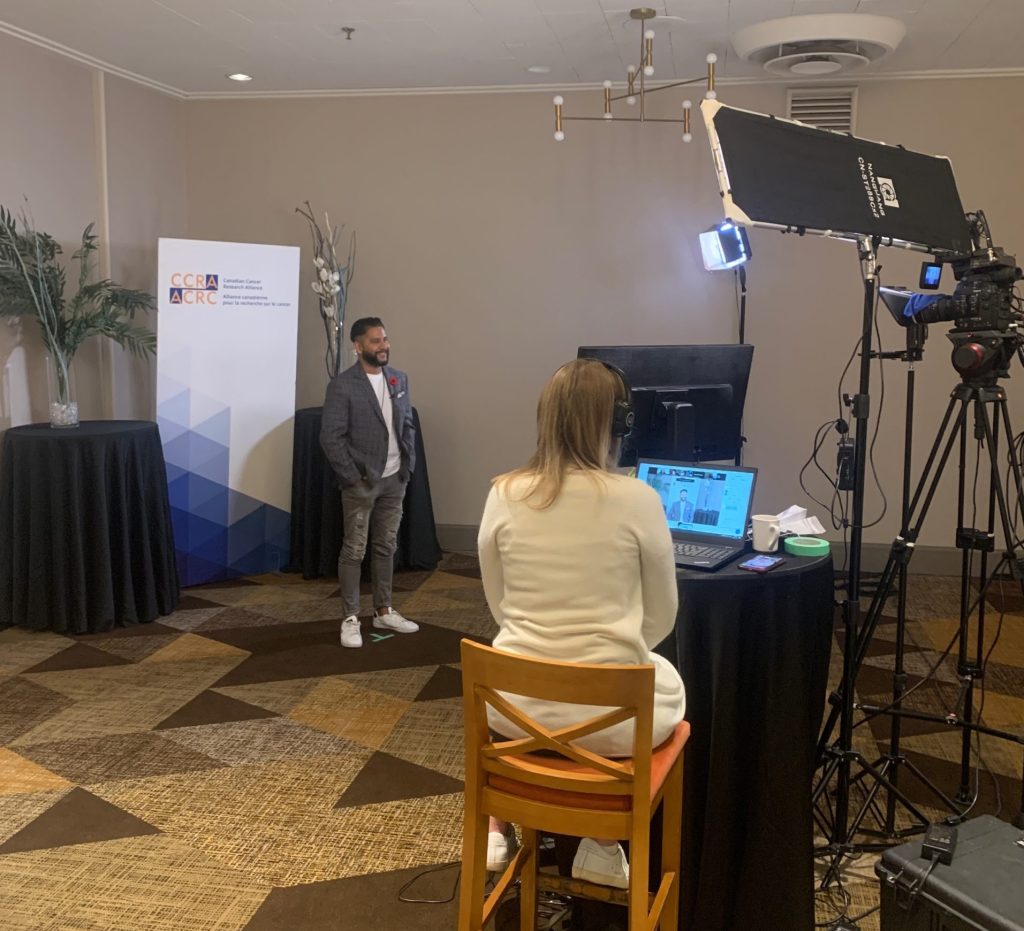
Hybrid events pair the accessibility and convenience of online participation with the immersive experience of in-person events. This format appeals to diverse audiences while retaining the possibility of deeper engagement for both groups.
Benefits of Hybrid Events:
- Wider Access: Engage both remote viewers and in-person participants seamlessly.
- Dynamic Content Opportunities: Capture the energy of stage presentations, live panels, and workshops for online use.
- Flexibility: Allow flexibility for your team by connecting multiple physical locations through a central virtual platform.
Drawbacks of Hybrid Events:
- Higher Costs: Managing a dual experience increases costs and logistical complexity.
- Technical Challenges: An effective hybrid event demands robust tech and AV support to maintain quality across platforms.
- Split Attention: Balancing the needs of virtual and in-person attendees can result in one group feeling under-prioritized.
When to Use Hybrid Events:
- You want to engage both physical participants and virtual attendees who can’t be present.
- You have the budget for advanced technical support and participant-driven creativity.
- The event requires a mix of both formats to maximize engagement (for example, a global conference).
In-Person Events

For decades, in-person events have been synonymous with relationship-building and immersive experiences. Whether it’s a grand conference or a trade show exhibit, being physically present fosters community in ways that can’t easily be replicated.
Benefits of In-Person Events:
- Stronger Connections: Personal interactions build trust, relationships, and collaboration opportunities.
- Enhanced Sponsorship ROI: Onsite activations—such as branded sessions and trade booths—offer high-impact visibility.
- Immersive Experience: Venues and event setups create memorable, engaging environments.
- Organic Networking: Unplanned meetups and conversations thrive in physical spaces.
Drawbacks of In-Person Events:
- Cost: Venue costs, event decor, travel, and catering can escalate quickly.
- Geographic Barriers: Travel and accommodation may restrict audience diversity.
- Lead Time Requirements: Organizing a flawless physical event requires months of preparation.
When to Use In-Person Events:
- Your event relies heavily on face-to-face interactions or relationship-building.
- You have a robust budget and extended planning timeline, including time to secure venue information and necessary vendor services.
- Most attendees are geographically local and able to attend onsite.
The Role of Event Management Platforms

Event management platforms play a crucial role in organizing virtual, hybrid, and in-person events. They simplify complex processes, reduce manual workload, and ensure a seamless and engaging experience for attendees. Let’s explore the unique features and benefits of two standout platforms— PheedLoop for virtual events and Crystal for hybrid and in-person events.
Virtual Events: PheedLoop Powers Every Aspect of Online Engagement
When planning virtual events, it’s essential to choose a platform that offers a comprehensive set of features to maximize attendee engagement and sponsor ROI. PheedLoop delivers on all fronts with tools that ensure virtual events are both interactive and meaningful.
Key features of PheedLoop:
- Live Streaming: Streamline your event delivery with high-quality live streaming, ensuring smooth and professional broadcasts for keynotes, panels, or breakout sessions.
- Attendee Matchmaking and Networking: Facilitate meaningful connections with smart attendee matchmaking. PheedLoop’s tools enable participants to find and connect with others who share similar interests or business goals, creating invaluable networking opportunities.
- Engagement Through Gamification: Keep audiences actively participating with gamified features like quizzes, leaderboards, and contests to boost involvement and excitement.
- Virtual Trade Shows: Enable sponsors to connect with attendees via virtual booths, live demos, and one-on-one video chats, providing measurable ROI and engagement opportunities.
- Flexible Pricing Model: PheedLoop offers a flat annual license with customizable add-ons based on your event needs. This includes per-registration fees or a monthly cost structure as well as pricing tailored to individual events.
With PheedLoop, you’ll have a single platform that integrates every key feature needed for dynamic and impactful virtual events.
Hybrid and In-Person Events: Crystal Simplifies On-Site Experiences
Planning hybrid or in-person events requires platforms that combine the best virtual tools with robust on-site management features. Crystal excels by ensuring smooth event operations while delivering an engaging attendee experience.
Key features of Crystal:
- Integrated Livestreaming: Carry over the benefits of virtual events, ensuring hybrid attendees can tune in seamlessly, wherever they are.
- Badge Design and Printing: Save time and reduce errors with automated badge creation and on-site printing, designed to reflect your brand while streamlining the check-in process.
- Attendee Check-In: Simplify attendee check-ins with low-touch, easy-to-navigate workflows that prevent bottlenecks and improve your event’s flow.
- Mobile App Engagement: Maximize attendee participation with Crystal’s branded mobile app. It promotes session engagement, surveys, live Q&A, and networking opportunities all from a single intuitive app.
- Flexible Financial Management: Use attendee hierarchies to manage payments and financial reporting by account, tailored for enterprise-level clarity and tracking.
- Comprehensive Management Tools:
- Speaker and Abstract Management tools make it easy to collect, review, and schedule speaker proposals or presentations.
- Utilize Lead Retrieval to empower your on-site exhibitors with tools to collect leads and follow up with them post-event.
Unlike many competitors, Crystal offers all features under a flat-rate pricing model, ensuring predictable costs without surprise add-on charges. From registration to execution, it’s the ultimate all-in-one solution for hybrid and in-person events.
Finding Your Perfect Event Format
Selecting the best format for your next event boils down to careful consideration of specific needs. Begin by answering these critical questions:
- Who is your audience, and what are their preferences?
- What are your event goals (education, networking, brand awareness, etc.)?
- What is your budget, and how much complexity are you prepared to manage?
- What level of engagement do you want to create for your participants?
Mapping out your priorities will enable you to align your goals with the event format best suited to achieving them. Careful planning, supported by reliable tech, ensures a smooth path to executing an exceptional event.
Final Thoughts: Focus on Attendee Experience
No matter the format you choose—virtual, hybrid, or in-person—the top priority is to deliver an experience that leaves a lasting impact on everyone who attends. The events industry is constantly evolving, but one thing remains constant: understanding your audience’s needs is the key to success.
Need more guidance? Contact Crystal to explore tailored solutions that bring your next event to life. Whether you aim to go fully virtual, bring people together in-person, or combine both worlds for a hybrid experience, we’re here to help you succeed. Book a consultation with us today.